

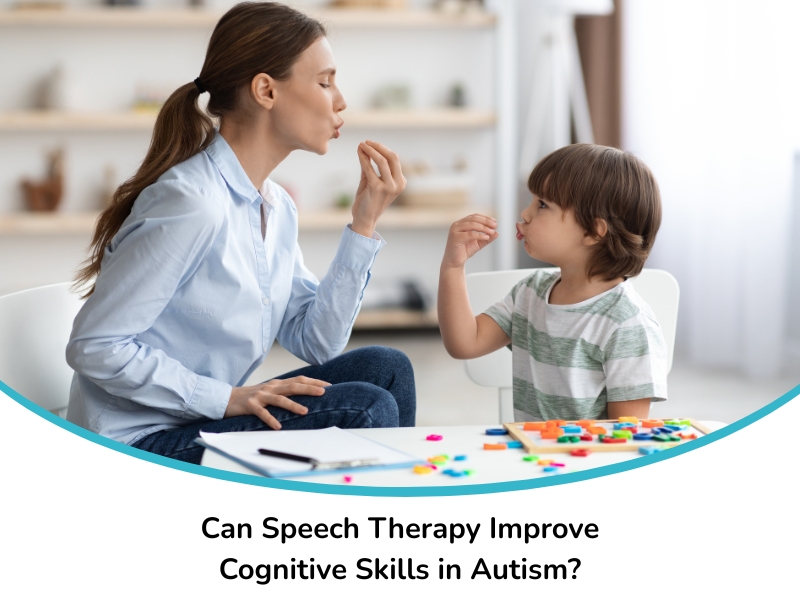
Autism spectrum disorder (ASD) affects millions of individuals worldwide, and one of the most significant challenges people with autism face is difficulties with cognitive skills. These skills, which include memory, problem-solving, attention, and language, play a critical role in everyday functioning. But can speech therapy improve cognitive skills in autism? This article will explore how speech therapy can be a valuable tool in supporting cognitive development in individuals with autism and how tailored therapy services can make a difference in their journey.
What are autism’s cognitive skills, and how are they affected?
Cognitive skills refer to the mental processes used to acquire knowledge, reason, remember, and make decisions. For individuals with autism, these skills can be affected in various ways. Understanding autism spectrum disorder and the available therapies is essential for recognising the specific challenges individuals may face in these areas. Cognitive difficulties commonly include:
Cognitive Skill | Common Challenges in Autism | Speech Therapy Focus | Expected Outcomes |
Attention | Difficulty staying focused or shifting attention | Structured tasks, cueing strategies | Improved attention span and task completion |
Memory | Trouble retaining or recalling information | Repetition, visual aids, verbal memory games | Better recall and understanding of concepts |
Problem-solving | Struggles with sequencing, logic, or flexibility | Scenario-based learning, question-response formats | More flexible thinking and improved reasoning |
Language | Limited vocabulary, delayed speech, or poor comprehension | Vocabulary building, sentence formation, storytelling | Clearer expression and stronger comprehension |
Executive Functioning | Disorganisation, poor planning, difficulty following steps | Step-by-step instructions, routine building | Improved organisation and task planning skills |
Social Cognition | Difficulty understanding others' emotions or social cues | Role-playing, emotion identification exercises | Better empathy and more meaningful interactions |
These cognitive issues often impact the individual’s ability to interact with others, learn new skills, and navigate daily life, making it crucial to explore supportive therapies like speech therapy to help improve cognitive abilities.
Can speech therapy improve problem-solving and attention?
Yes, speech therapy can improve problem-solving and attention, which are critical cognitive skills. These improvements can happen through structured activities that target these areas directly:
- Problem-solving: Speech therapists may use games, puzzles, and other activities to help individuals with autism work through challenges, teaching them to break down tasks and think critically.
- Attention: Through tailored exercises, speech therapists can help individuals build focus and attention span, which can have a ripple effect on cognitive development. Techniques may include activities that encourage maintaining attention on tasks and following instructions.
By improving these cognitive abilities, speech therapy can help individuals with autism engage more fully in both academic and social environments.
Why is early speech therapy critical for cognitive growth?
Early intervention is vital when it comes to speech therapy for children with autism. The earlier the treatment starts, the more significant the cognitive gains can be. Here’s why:
- Brain development: The brain’s plasticity is highest in the early years. Starting speech therapy early can take advantage of this and promote the development of essential cognitive and communication skills.
- Prevents delays from worsening: Early intervention can prevent cognitive and communication delays from becoming more entrenched over time. Addressing issues early can reduce the need for more intensive therapy later.
- Enhances social integration: Children who receive speech therapy early are better equipped to engage in social interactions, which can directly impact their cognitive and emotional development.
- Improves future learning: Cognitive skills such as attention, memory, and problem-solving are foundational to academic learning. Early speech therapy sets the stage for greater success in school and beyond.
Early support makes a world of difference in long-term outcomes. If you’re looking for effective speech therapy for autism support, getting started early with a trusted team can truly shape a child’s future.
Which speech therapy techniques target cognitive skills?
Speech therapists use several evidence-based techniques to target cognitive skills in individuals with autism. Some of the most effective techniques include:

- Picture Exchange Communication System (PECS): PECS encourages communication through visual cues. It helps individuals with autism link pictures to words and concepts, boosting language and thinking skills.
- Social Stories: These help individuals understand social situations and problem-solving scenarios by clearly and structuredly illustrating appropriate behaviours and responses.
- Speech and Language Games: Interactive games that focus on memory, sequencing, and following instructions improve attention, memory, and problem-solving.
- Functional Communication Training (FCT): FCT focuses on teaching individuals functional communication skills, like asking for help or making requests, to enhance cognitive development and social skills.
- Executive Functioning Training: Tailored activities that build executive functioning skills, such as planning, organisation, and cognitive flexibility, help improve overall cognitive abilities.
Understanding common speech problems in adults further emphasises the wide-ranging impact of speech therapy. These techniques are tailored to meet the unique needs of each individual, ensuring that therapy is not only flexible but also aligns with their specific cognitive and developmental strengths.
Can parents help extend cognitive benefits at home?
Absolutely! Parents can play a significant role in reinforcing speech therapy at home by encouraging communication and creating a supportive environment. Exploring what lifestyle changes can boost speech improvement can offer additional support, further enhancing the progress made during therapy sessions. Here’s how they can extend the benefits of speech therapy:
- Create a structured environment: Consistent routines and clear expectations can help children with autism improve their cognitive skills, such as attention and memory.
- Encourage language use: Parents can engage in daily conversations and ask open-ended questions. Encouraging children to express themselves reinforces the language skills developed in therapy.
- Use visual supports: Visual aids like schedules, charts, and lists can help children with autism understand and remember tasks more easily, improving cognitive processing.
- Reinforce social skills: Encouraging social interactions with family members, peers, or even in community settings helps build communication and problem-solving skills.
By incorporating these strategies into daily life, parents can further support their child’s cognitive and communication development at home.
Nurturing cognitive skills with speech therapy
Speech therapy is an invaluable resource for improving cognitive skills in individuals with autism. From enhancing language and problem-solving abilities to supporting social communication and executive functioning, the benefits of speech therapy are far-reaching. Early intervention, combined with evidence-based techniques, can make a significant difference in the lives of children and adults with autism. If you’re seeking effective speech therapy for autism support, learn how Australian Disability Services can help you or your loved one achieve their full potential.

